

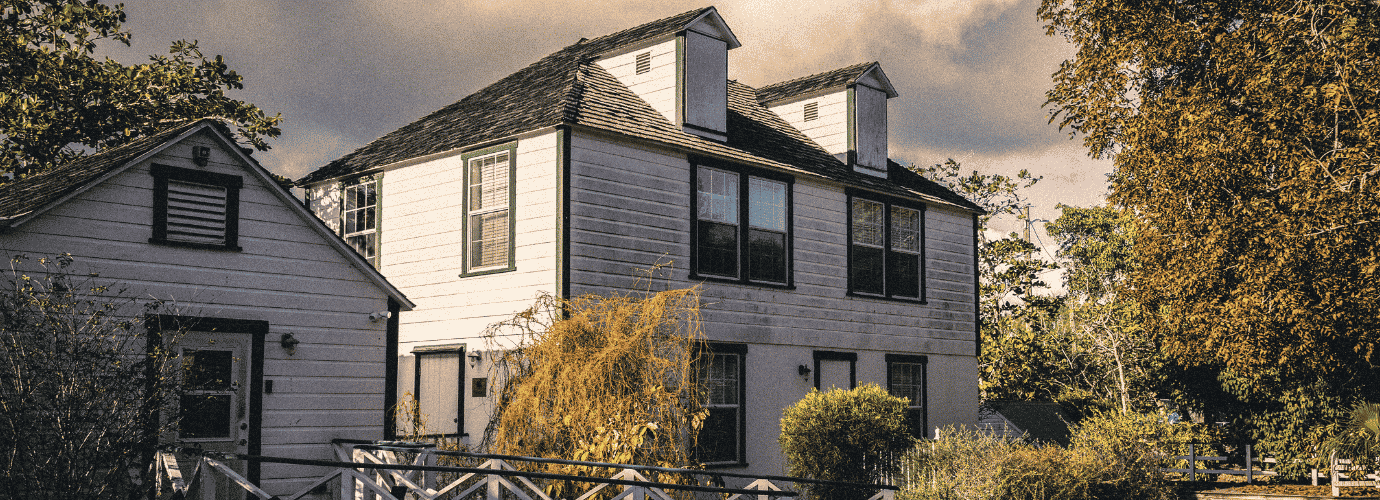
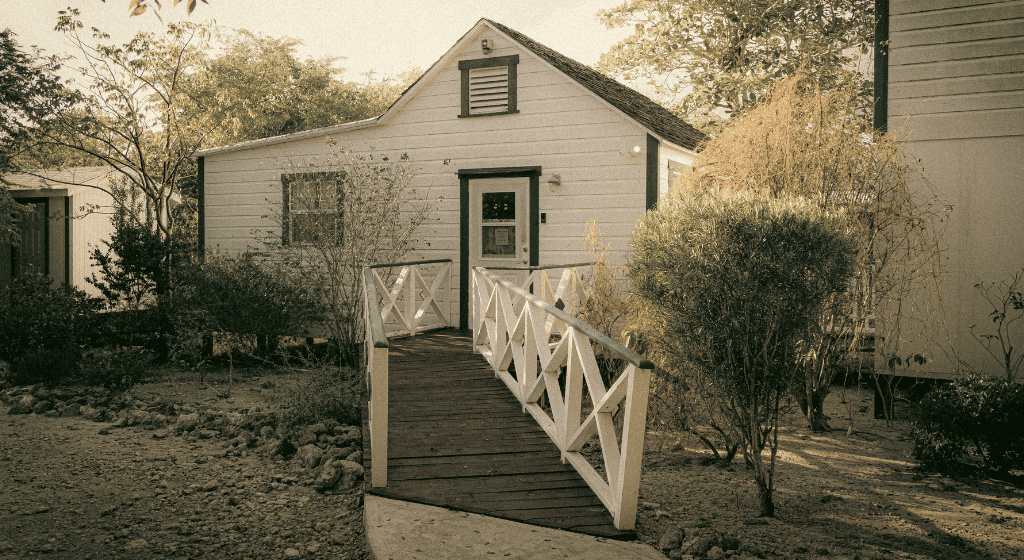
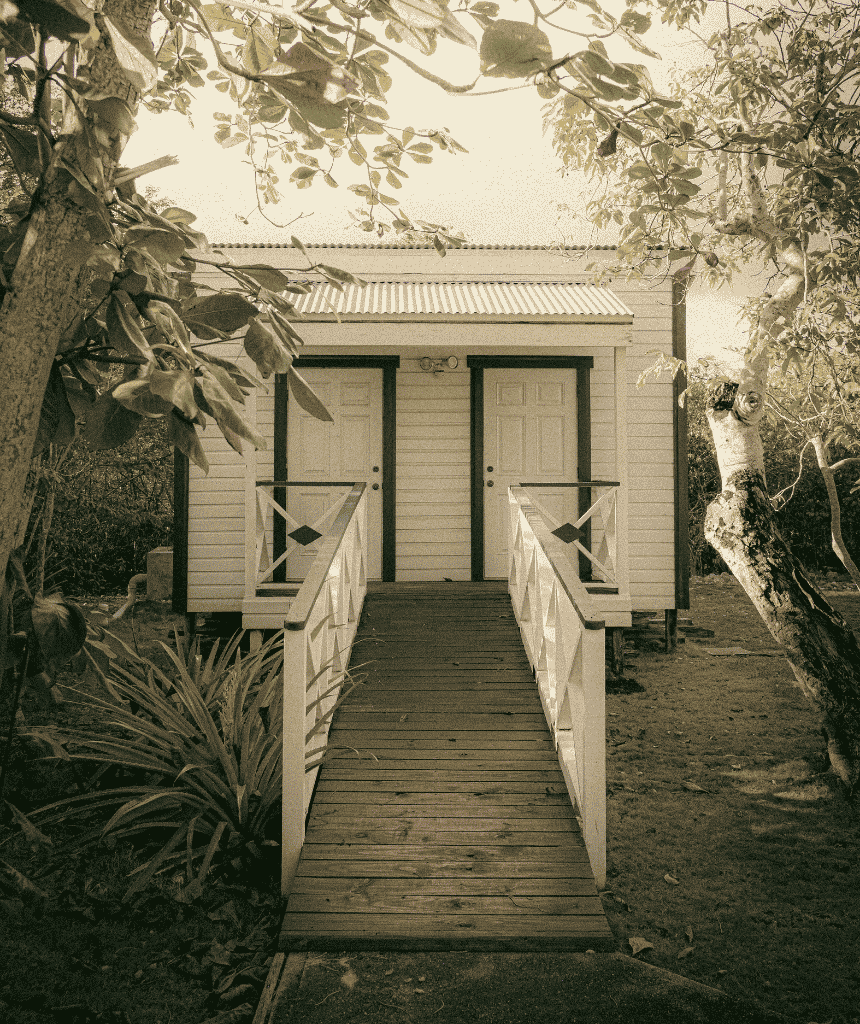
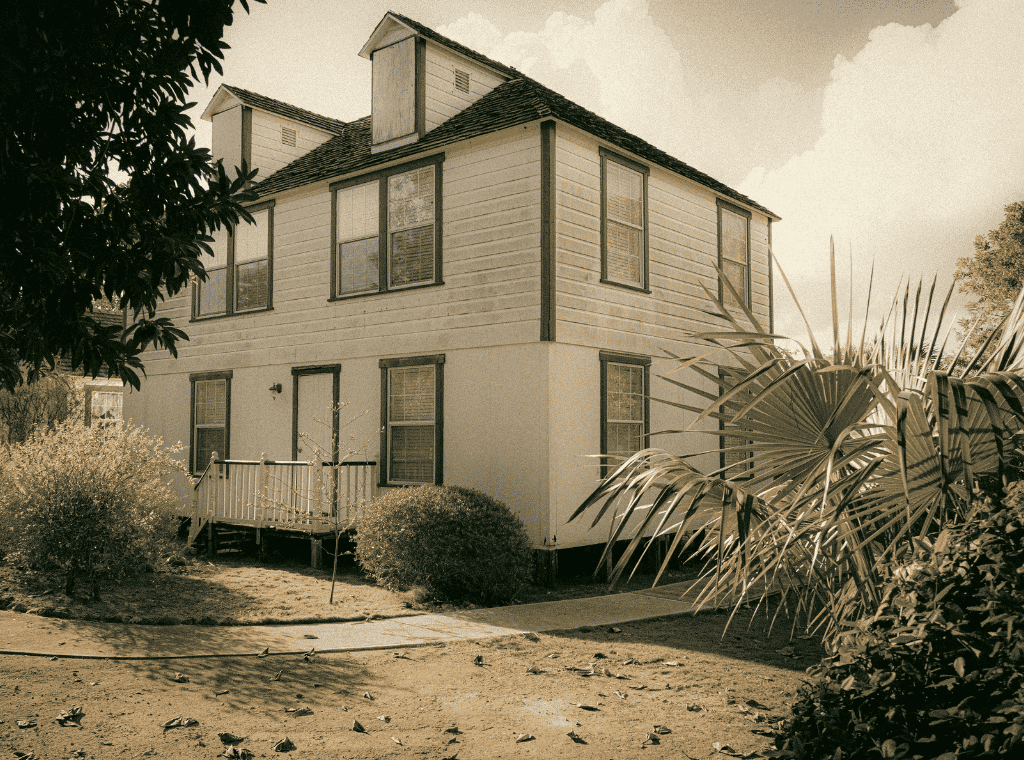
The Mission House in Bodden Town is one of Cayman’s oldest known historic dwellings, preserving the story of the missionaries, teachers and families who helped shape the early religious and educational life of the Islands.
Set beside a freshwater pond at the end of Gun Square Road, the property has long been closely connected to the development of Bodden Town, Cayman’s former capital. The pond is believed to have been an important reason for early settlement at the site, providing a valuable source of fresh water as well as attracting birds and other wildlife.
Archival records show that from 1878 to 1908, the house was used by Presbyterian missionaries. At a time when there was little formal educational infrastructure in Cayman, missionaries played an important role not only in spreading Christianity, but also in teaching reading, writing and other basic skills. The house therefore became associated with two institutions that would have a lasting influence on Caymanian life: the church and the school.
Among those who lived there were Rev. and Mrs. Redpath, who occupied the house during the later years of its missionary period. In 1907, Commissioner George S. Hirst also used the property before it passed to Edgar and Anna Lyon and their family the following year. The Lyons continued its educational tradition, operating a school for local children from the house, while Mr. Lyon ran a general store nearby.
In 1920, the property was purchased by Emile Watler, a police inspector and lay preacher, and became a family home for generations of Watlers. The house remained in the family until the 1990s, when efforts began to ensure its preservation. In 1996, the house and surrounding land were transferred to the National Trust for the Cayman Islands.
Hurricane Ivan brought a dramatic new chapter to the Mission House story in 2004, when the historic structure was destroyed. Rather than lose the landmark completely, the National Trust undertook a careful reconstruction, incorporating surviving historic materials where possible and using traditional Caymanian building techniques to recreate the character of the original home. The restored Mission House opened to the public in 2007.
Today, the Mission House offers a glimpse into everyday Caymanian life in the nineteenth and early twentieth centuries. Its rooms, traditional furnishings, gardens and freshwater pond tell the story not only of missionaries, but of teachers, families and a community in which faith and education were closely intertwined.
More than a historic house, the Mission House represents the beginnings of organised education and religious life in Cayman. Its survival ,first through generations of changing use and later through reconstruction after Hurricane Ivan, reflects the continuing importance of preserving the places where Cayman’s community life first took shape.
Did You Know?
- The Mission House was built in the 1700s.
- Used by Presbyterian missionaries and teachers.
- Played a role in early education and religious life.
- Preserved by the National Trust for the Cayman Islands.