

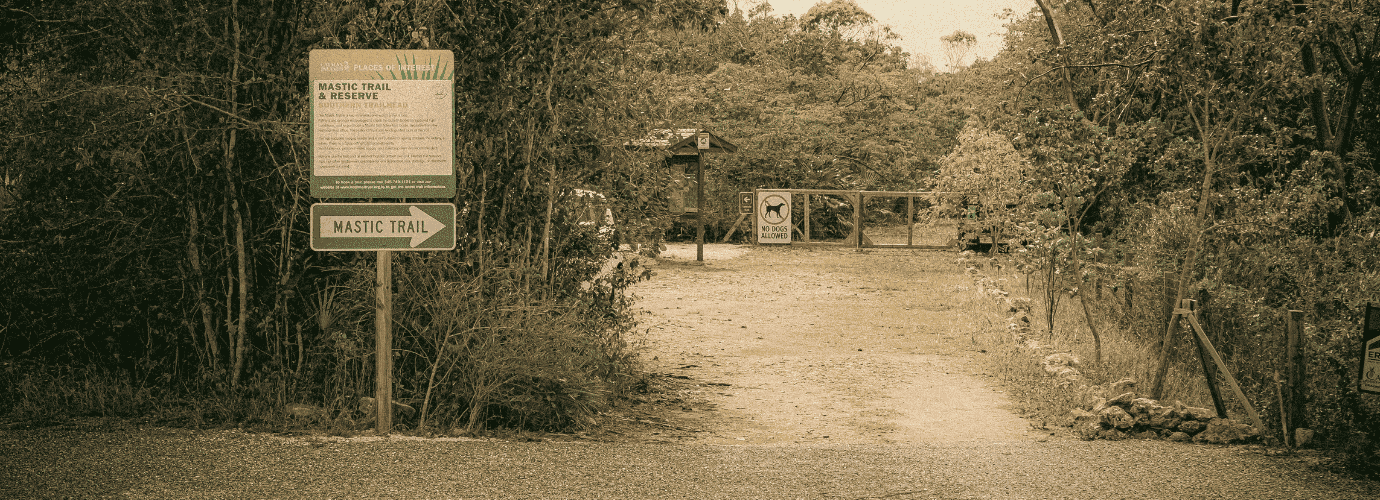
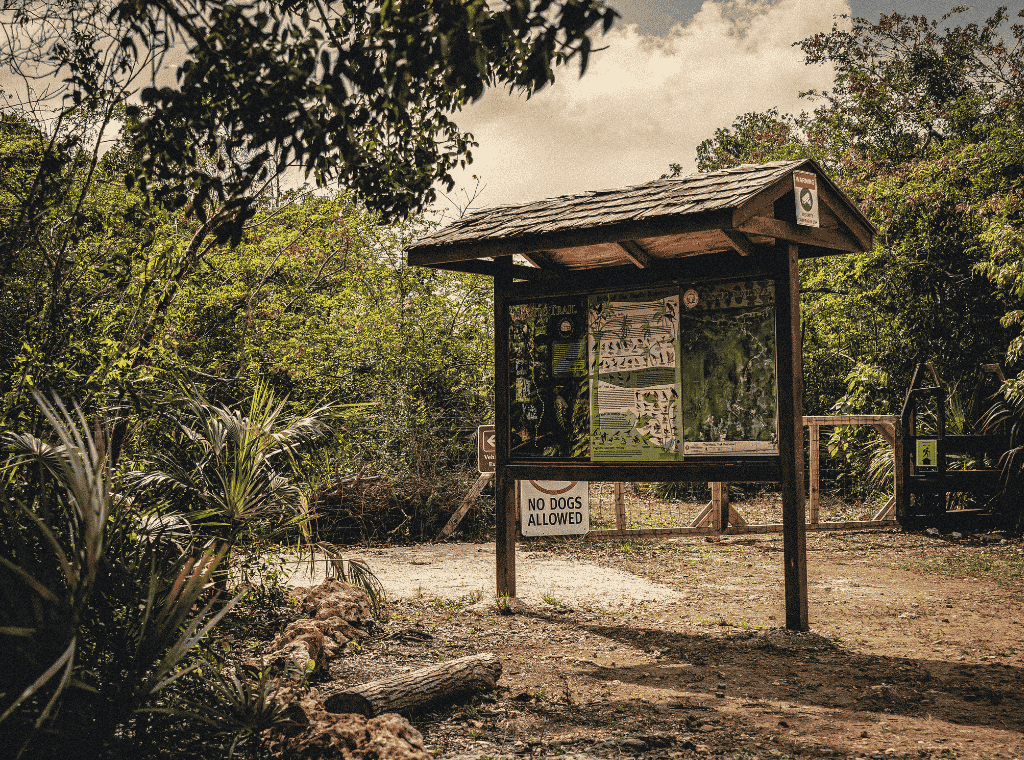
The Mastic Trail is a historic pathway through Grand Cayman’s interior, offering a rare glimpse of both the landscape and the way Caymanians travelled across the island before modern roads transformed everyday life.
The exact origins of the trail have been lost to history, but generations of Caymanians once used routes through this part of the interior. At least a century ago, William Steven Watler and others constructed a causeway across a deep mangrove wetland at the southern end of the trail, using mahogany logs, beach rocks, basic hand tools and donkeys to carry materials.
For a time, the trail became an important thoroughfare through Grand Cayman’s interior. Travelling across the island was difficult, and paths such as this connected communities and provided access to land that would otherwise have been challenging to reach. As coastal roads improved and the modern Frank Sound Road was developed, however, the old route gradually fell into disuse and disappeared beneath dense vegetation.
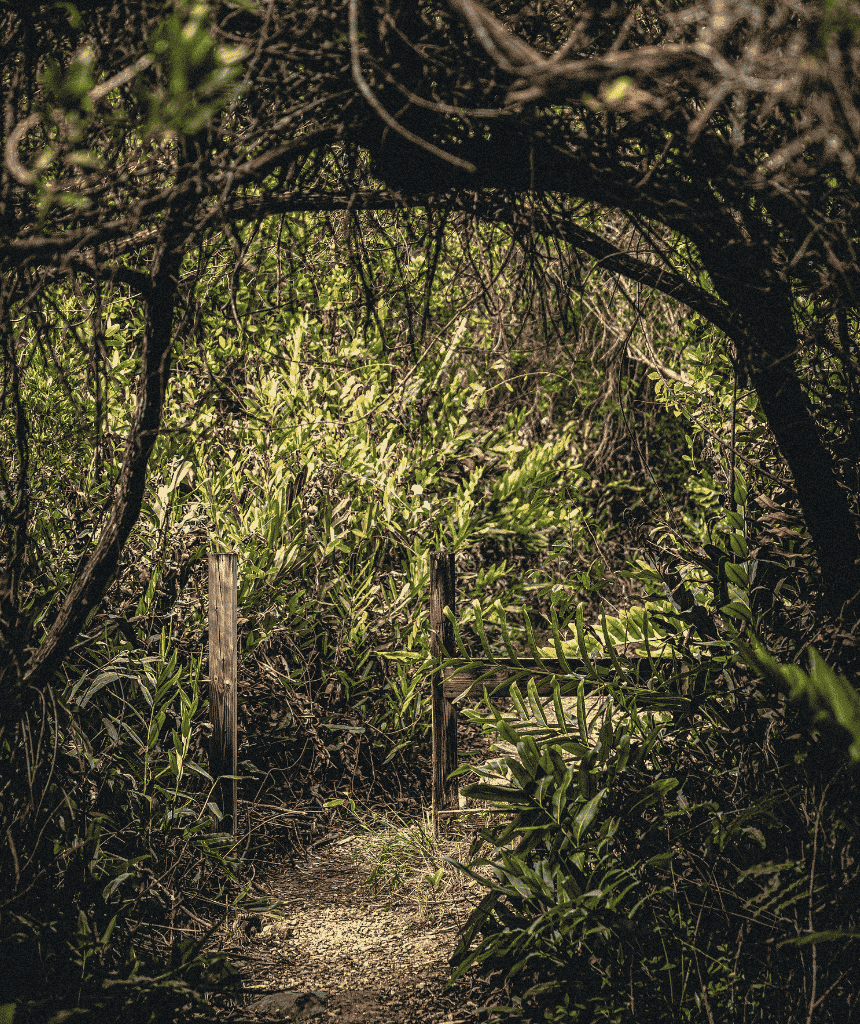
The surrounding forest survived in part because of its difficult terrain and relative isolation. Today, the Mastic Reserve protects part of the largest remaining area of untouched old-growth dry forest on Grand Cayman. The landscape includes black mangrove wetland, stands of Royal and Silver Thatch palms, abandoned agricultural land and ancient semi-deciduous dry forest.
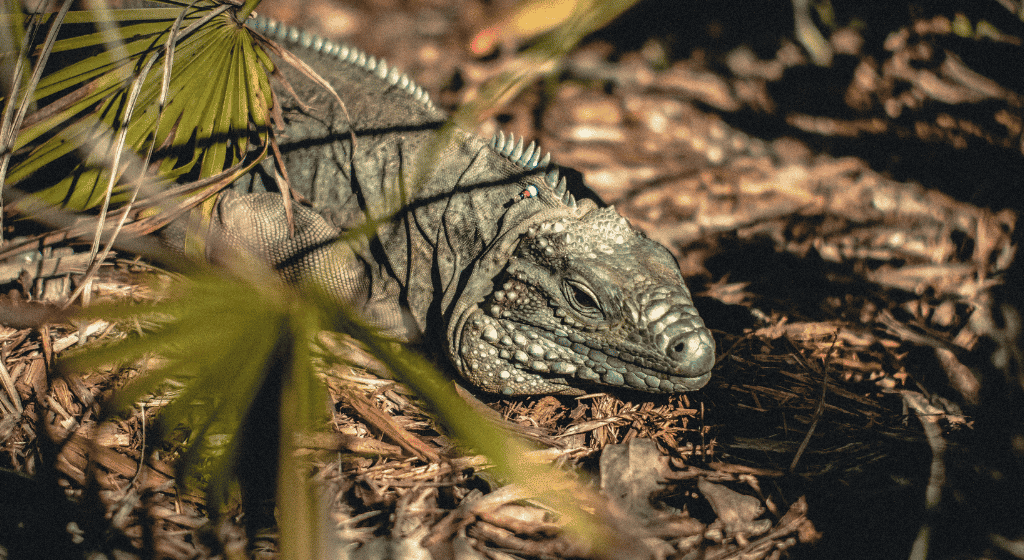
Many native plants and animals continue to thrive within the reserve. Cedar, mahogany and mastic trees grow along the route, while Cayman’s Wild Banana Orchid can be seen flowering beside the trail at certain times of year. Native and migratory birds, butterflies, lizards, frogs, hermit crabs and other wildlife also make their home within the protected forest.
The Mastic Reserve was established in 1992, and work to rediscover and restore the old trail began in 1994. Volunteers from Rotary Central worked alongside conservationists to clear fallen trees and dense vegetation, restore the traditional causeway and make the historic route accessible once again. Thousands of feet of trail had to be cleared by hand, reconnecting a pathway that had almost disappeared into the forest.
On 21 April 1995, the restored Mastic Trail was officially opened to the public. Since then, it has allowed generations of residents and visitors to experience a part of Grand Cayman that remains remarkably different from its developed coastline.
Today, the Mastic Trail preserves two important parts of Cayman’s heritage at once. It protects one of the island’s most significant remaining natural environments while also following in the footsteps of earlier Caymanians who travelled through the interior long before paved roads made crossing Grand Cayman an everyday journey.
Did You Know?
- The trail follows a route dating back to the 19th century.
- It runs through one of Cayman’s largest remaining natural forests.
- The area is home to rare native plants and wildlife.
- The trail is maintained by the National Trust for the Cayman Islands.