

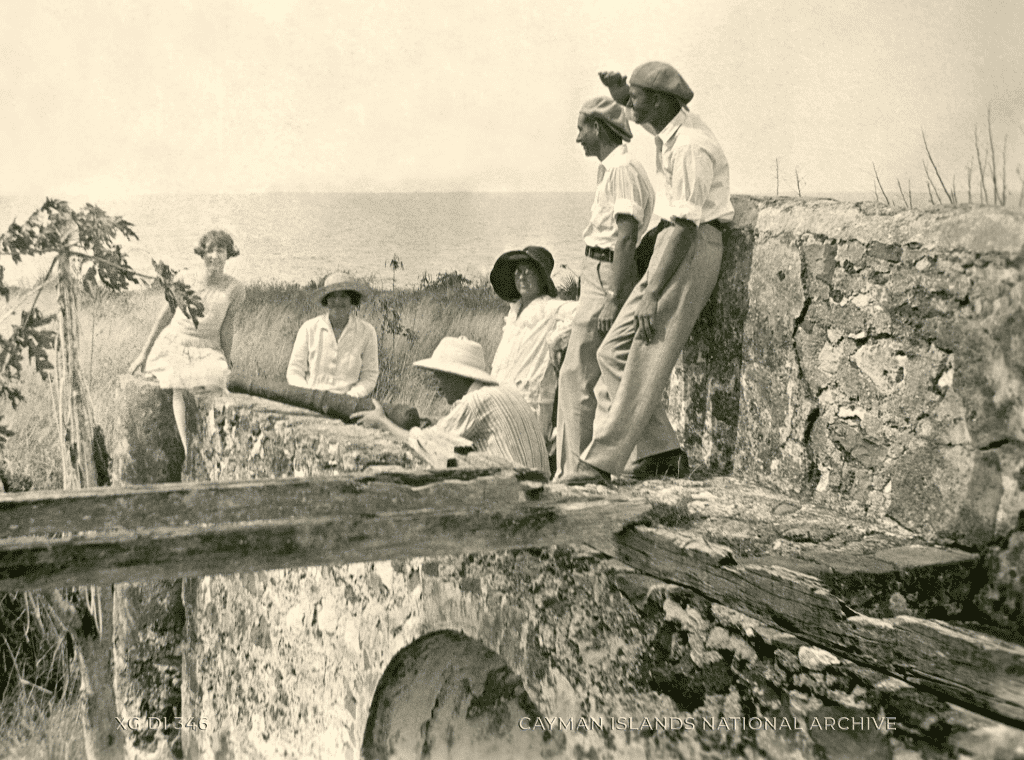
Built around 1780, Pedro St. James is the oldest surviving stone structure in the Cayman Islands and one of the country’s most important historic landmarks. Best known as the “Birthplace of Democracy,” its history is closely connected to the development of representative government and the abolition of slavery in Cayman.
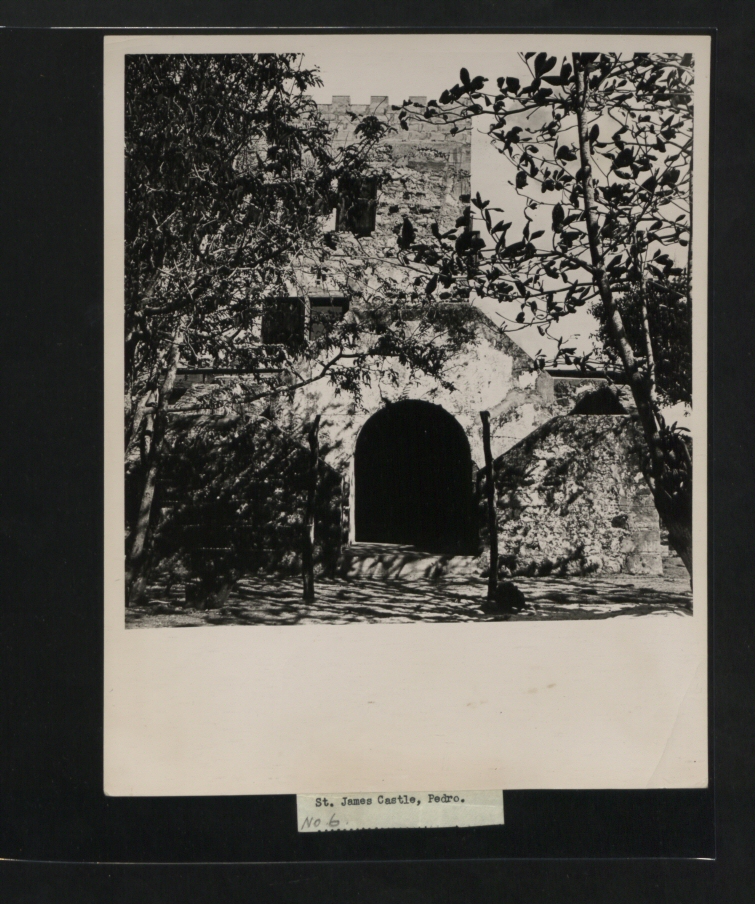
The three-storey Great House was built by English planter William Eden on land overlooking the sea at Pedro Point. Constructed from locally quarried stone using enslaved labour, it was an extraordinary building for its time. While most Caymanians lived in small, single-storey homes, Pedro St. James was a substantial stone residence, giving rise to its later nickname, “Pedro Castle.”
Although originally a private residence and plantation house, Pedro soon became an important gathering place. Its location between George Town and Bodden Town made it convenient for magistrates and prominent residents to meet there, and over the years it was also used as a courthouse, jail, government meeting place and public pound.
Its most significant political moment came on 5 December 1831, when residents gathered at Pedro St. James and resolved that representatives should be elected from the different districts to help create local laws for the better government of the Islands. Elections followed soon afterwards, laying the foundations for Cayman’s first elected legislature and earning Pedro its enduring title as the “Birthplace of Democracy.”
The site played another major role in Cayman’s history in 1835, when the proclamation confirming the abolition of slavery was read at Pedro St. James. The event marked freedom for hundreds of enslaved people in the Islands and made the Great House the setting for two of the most important milestones in Cayman’s political and social development.
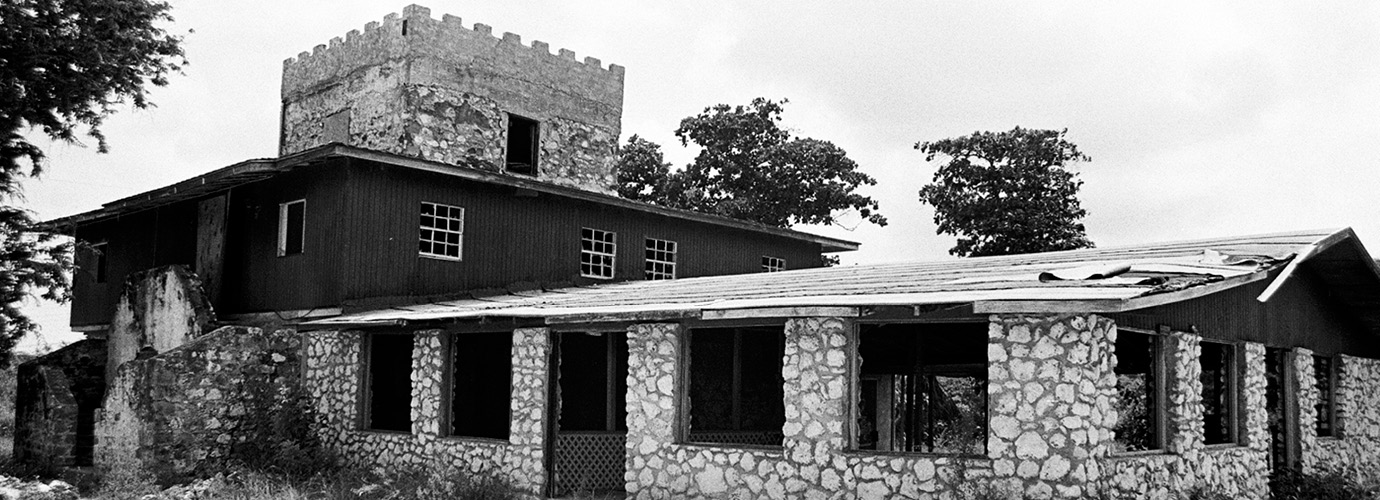
Over the following century, Pedro St. James experienced periods of prosperity, abandonment, fire, hurricanes and changing ownership. By the twentieth century, much of the original building had deteriorated, although its massive stone walls survived.
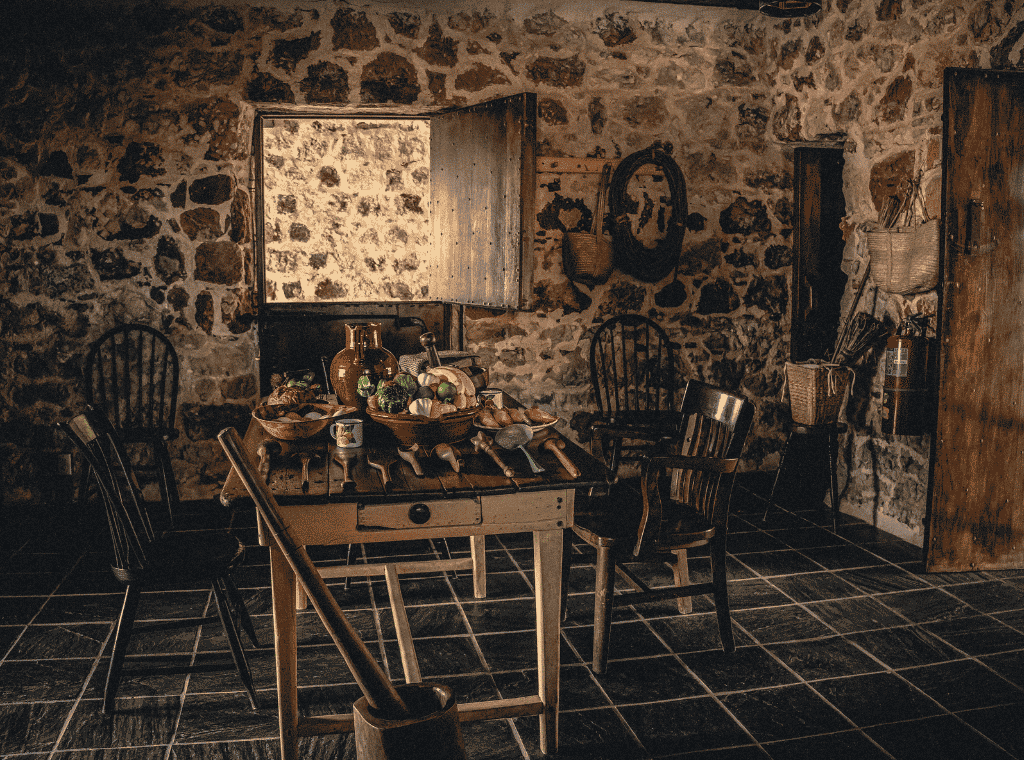
The Cayman Islands Government purchased the property in 1991 and undertook an extensive programme of archaeological research and restoration. The project aimed to return the Great House and surrounding grounds to reflect their eighteenth-century character while preserving the site’s important place in Cayman’s history.
Today, Pedro St. James is preserved as a national historic site where visitors can explore the Great House, grounds and exhibitions while learning about the people and events connected with it.
Pedro St. James is more than Cayman’s oldest surviving stone building. It is a place where decisions were made that helped shape representative government, where the end of slavery was proclaimed, and where generations of Cayman history have unfolded. Its preservation ensures that these defining chapters in the nation’s story remain connected to the place where they happened.
Did You Know?
- Built in 1780, it is the oldest stone building on Grand Cayman.
- Known as the “Birthplace of Democracy” in Cayman.
- The abolition of slavery was proclaimed here in 1835.
- It was built by William Eden.